Sharing monthly food safety news and tips.
Apple Produce Safety
Let’s talk apple storage, preservation and food safety
With Fall in the North Carolina air, many residents turn to apples as a delicious, healthy fruit to include in recipes!
In NC, Apple Harvest season runs from the end of August through November, with many varieties available throughout the state. When was the last time that you bit into a Red Delicious, Golden Delicious, Rome, Gala, Honeycrisp, Granny Smith, Fuji or Pink Lady apple. With October being National Apple Month, consider visiting a local orchard to pick some apples or grab a gallon of your favorite pastuerized apple cider.
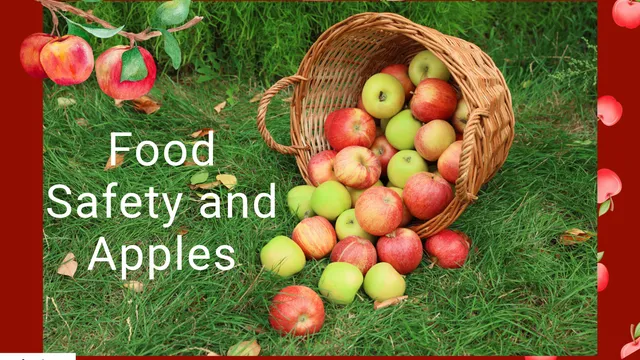
Food Safety & Apples
What is Food Safety?
Food safety refers to handling, preparing, and storing of food in a way that prevents contamination and reduces the risk of foodborne illnesses.
Personal Hygiene
Wash your hands thoroughly with soap and warm water for at least 20 seconds. Make sure cutting boards, knives, and countertops are clean and sanitized, and keep produce separate from raw meat, poultry, and seafood to prevent cross-contamination. Firm fruits and vegetables like apples, cucumbers, and potatoes should be rinsed under running water. Use a clean produce brush to scrub the surface, removing dirt and any residues.
Apple Storage
Keep apples fresh for up to two months by storing them in the refrigerator's crisper drawer, which slows down ethylene gas production and delays ripening. Store in clean, dry containers or produce bags. Cut fruits and vegetables should be refrigerated and eaten within a few days for the best quality. To prevent browning, place sliced apples in water containing ascorbic acid powder (like Ball Fruit-Fresh. Apples that have turned brown from oxidation are also safe to eat!)
Canned Apple Butter Recipe from The National Center for Home Food Preservation.
Print version of Let's Talk...Community Focused Food Safety News.
A special thank you to Caren Maloy and Brianna Wilkins for contributing to this newsletter.